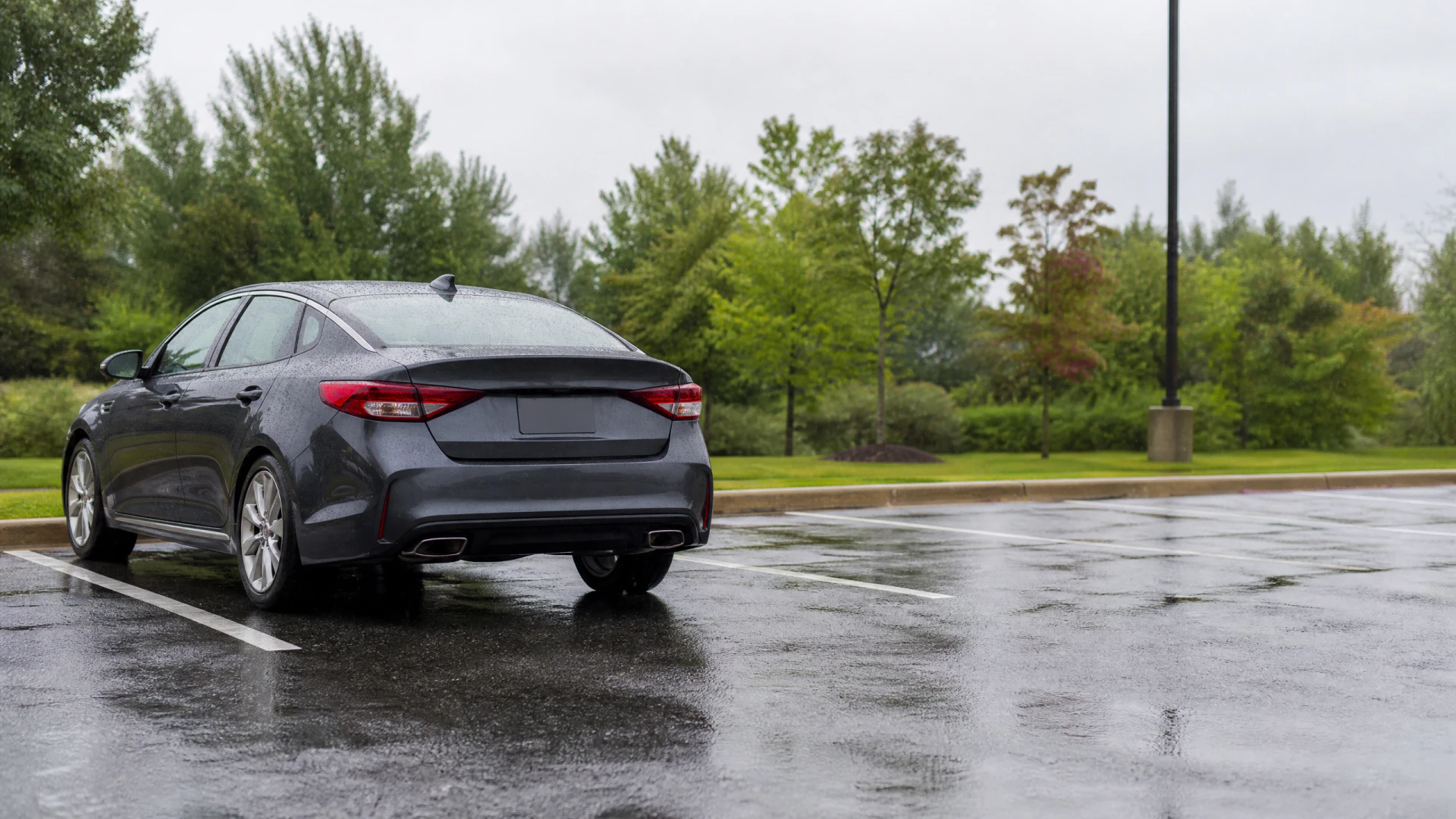
Which Classic Car Is Best for Daily Driving
A classic works as a daily driver when parts are easy to find and the engine was common enough that any shop can still service it.
Pick the classic with the simplest, most common mechanicals
The classics that hold up as daily drivers share a few traits. They used an engine and transmission that were sold in large numbers, so parts are still around and used ones are cheap. They have simple systems, carburetors instead of early fuel injection, points instead of electronic ignition that's hard to source now. And they were built by a maker whose parts network never really went away.
Cars like an old pickup truck, a Mustang, a Volkswagen Beetle, or a Jeep tend to be the ones people actually drive every day, because thirty or forty years of owners have already worked out what breaks and how to fix it cheaply. A rare or low production car might be a better investment, but it will cost more in time and money every time something fails.
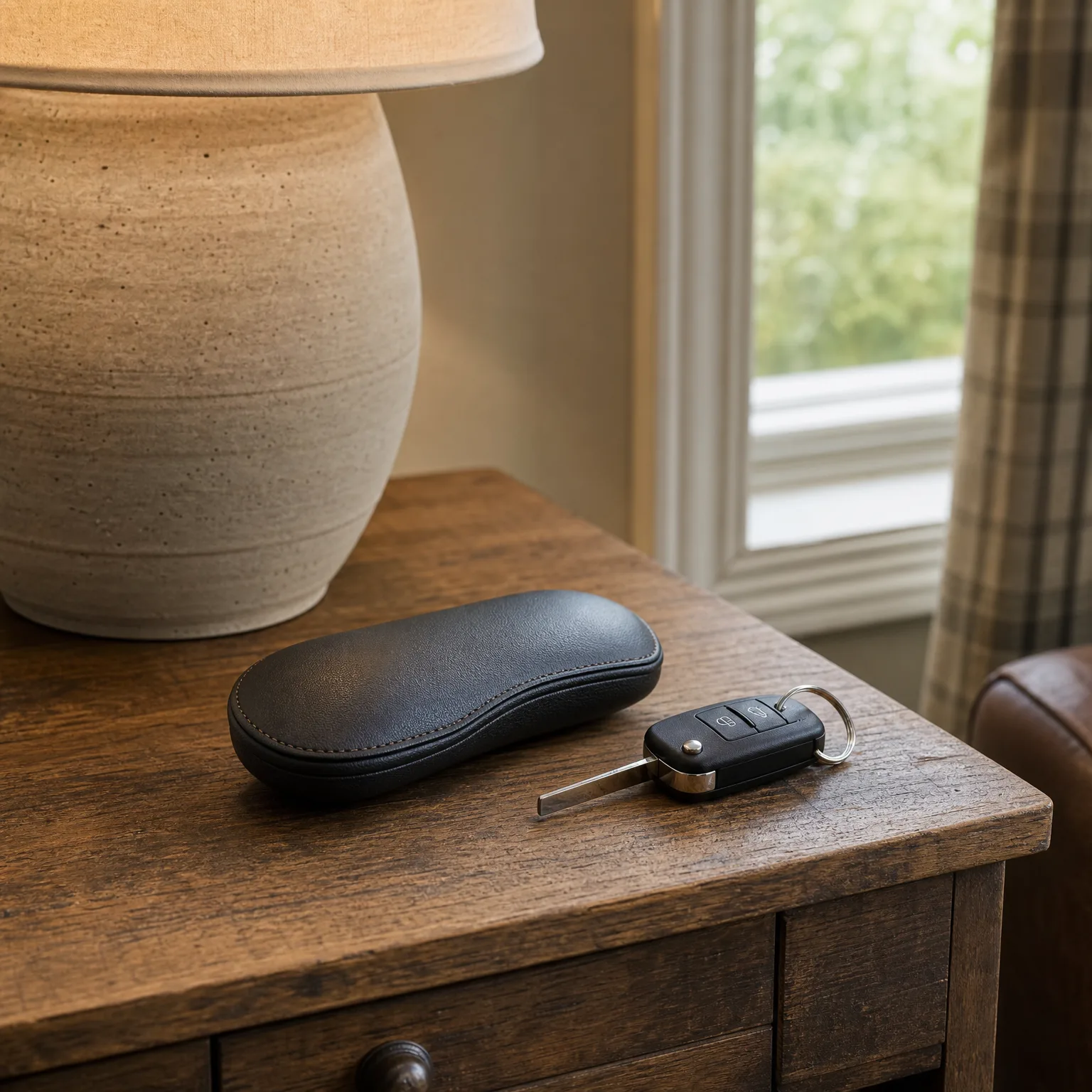
What your insurer will ask about daily use
Classic car insurance is usually written for a car that's driven occasionally, stored carefully, and kept in good condition. Many of those policies set a mileage limit, and once you're commuting or running errands in the car regularly, you may go over it without realizing.
If you want to drive a classic daily, tell your insurer that upfront. Some will write a standard policy instead of a classic one, which changes how the car is valued if it's ever totaled. A classic policy usually pays an agreed value you set in advance. A standard policy pays actual cash value, which can be much lower for an older car.
Ask your insurer directly how they'll classify daily use and what it does to your coverage and your payout if something happens. This is specific to the insurer and the state, so get it in writing rather than assuming your current policy already covers it.
If the car doesn't qualify for daily use under a classic policy, ask what a standard policy would cost and whether it still makes sense to insure the car as a classic for weekends and keep a second car for daily driving.
What wears out fastest when you drive it every day
Classic cars weren't built with modern daily mileage in mind, and the parts that take the most punishment are rarely the ones people think to check. Brakes, suspension bushings, and seals age even when a car sits, and daily driving exposes that wear fast.
A car that looks great after years in a garage can still need a full brake and suspension refresh before it's safe to drive every day. Budget for that before you start, not after something fails on the road.
Parts availability matters here too. A common classic has reproduction parts for nearly everything that wears out. A rare one may mean waiting weeks for a part sourced from another owner or a specialist, which isn't practical if the car is your only way to get to work.
Air conditioning, heating, and even headlights were often weaker on older cars than what you're used to now. None of that is a reason to avoid daily driving a classic, but it's worth test driving one in the weather you actually deal with before committing to it as your main car.
Questions people ask about this
Can I drive my classic car insurance policy daily without telling my insurer?
No, you shouldn't assume this is fine. Classic policies are priced around limited, careful use, and driving outside the terms you agreed to can affect a claim. Call your insurer and ask how they define daily use and whether your policy allows it.
What's the cheapest classic car to maintain as a daily driver?
Cars built on common, mass produced mechanicals are usually cheapest to maintain, because parts are plentiful and any independent mechanic has likely worked on one. Trucks and older Japanese or American economy cars tend to fit this better than low production sports cars or luxury models.
Does daily driving a classic car hurt its value?
It can, since mileage and wear affect what collectors are willing to pay. If resale value matters to you, keep records of maintenance and any parts you replace, since good documentation can offset some of the effect of added mileage.
Is it better to buy a classic car or a modern car with classic styling for daily driving?
A modern car with retro styling will be far easier to insure, maintain, and drive daily, since it has modern parts, safety features, and manufacturer support. A real classic offers something different, but it comes with the maintenance and insurance tradeoffs that a retro-styled modern car doesn't.
What should I check before buying a classic car to drive every day?
Check how available parts are for that specific model, what a mechanic near you says about working on it, and what your insurer will offer for daily use. Also drive the car in the conditions you'll actually use it in, including rain, cold, and stop and go traffic, before you decide.
See what it would cost to insure the classic you're considering for everyday use.
Before you commit to a classic as your daily car, call your insurer and ask directly how they'll cover it if you drive it regularly, and get their answer in writing. Have a mechanic who knows the model look it over, especially the brakes and suspension, since those wear fastest with daily use. Look up how available parts are for that specific model, since this varies enormously between a common classic and a rare one. If the numbers don't work for daily use under a classic policy, ask what a standard policy would cost instead, and decide whether the car still makes sense as your main driver.