What Is the Best Way to Sell a Classic Car
The right way to sell depends less on the car and more on who is likely to want it.
Sell where the right buyer already is
There's no single best way to sell a classic car. The best method is whichever one puts your car in front of people who already collect or want that specific model, and for most classics that means a specialty auction, a marque-specific club or forum, or a dealer who deals in that era of car.
A general used car listing or a trade-in rarely gets a classic its full value, because the buyer who'd pay for its condition and history isn't the one browsing those listings. The more specific the audience, the better the sale usually goes.
What the car is worth changes who should sell it
A car with real collector value, the kind with documented history, original parts, or a known production run, does better through a specialty auction house or a dealer who already has buyers for that make. They can price it correctly and reach people who understand what they're looking at.
A more common classic, one that's desirable but not rare, often sells just as well through a private sale to someone active in that car's community. Owners' clubs, marque forums, and classic car shows put you directly in touch with people who already know what the car is worth to them.
If you're not sure which category your car falls into, an appraisal from someone who specializes in that make is worth getting before you decide how to sell. It tells you what you're working with and who's likely to pay for it.
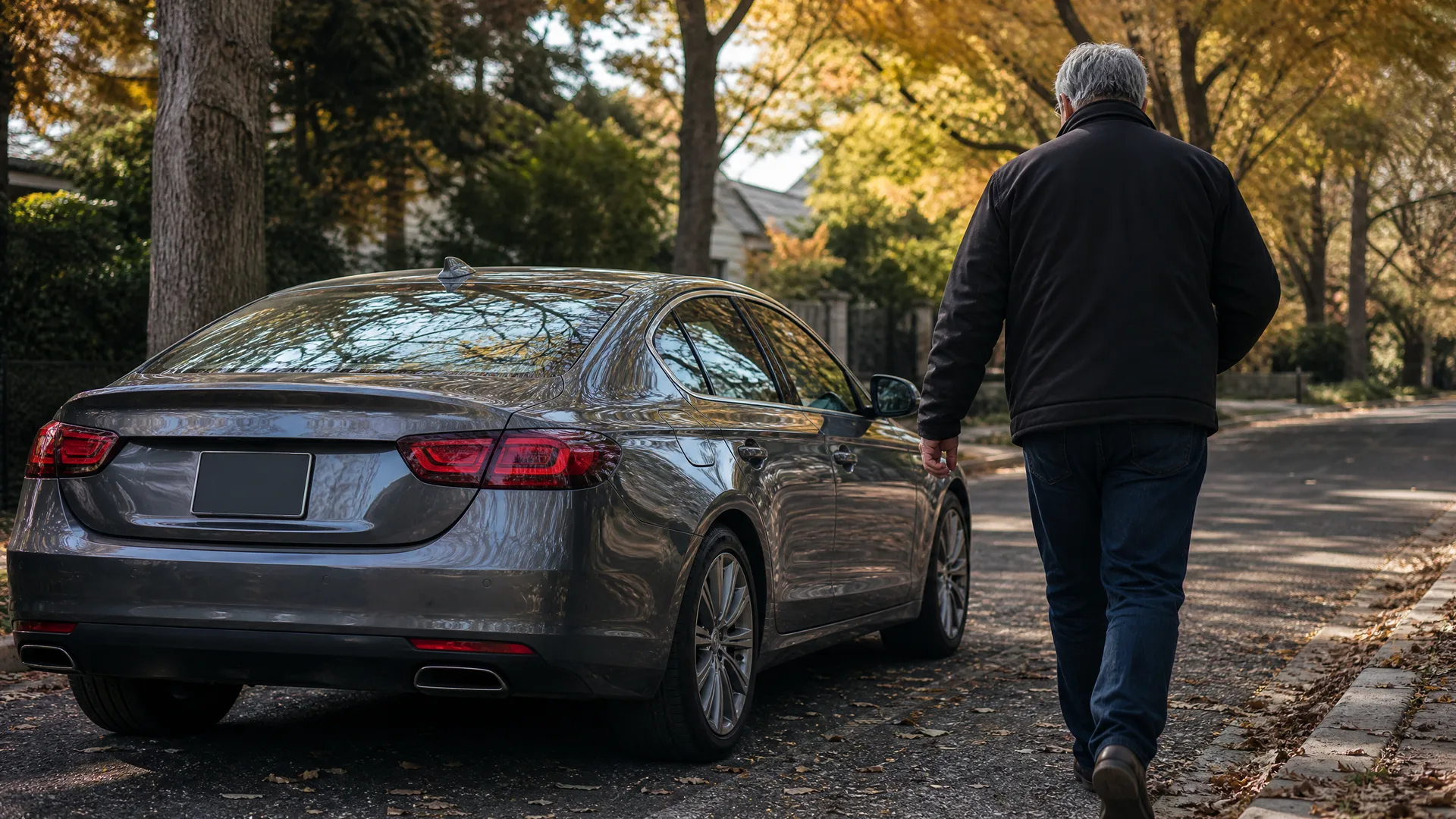
Paperwork and presentation decide how smooth the sale goes
Buyers of classic cars expect more documentation than buyers of ordinary used cars. Service records, restoration receipts, ownership history, and the title itself all matter more here, because they're part of what the car is worth.
If the title isn't clean, or if the car was ever registered differently than it's described now, sort that out before you list it. A buyer who finds a paperwork problem after agreeing on a price will usually walk, or try to renegotiate.
How the car is presented matters too. Clear photos in good light, a written account of what's original and what's been replaced, and honesty about any flaws tend to bring in buyers who are already serious, rather than ones who'll negotiate hard once they see the car in person.
Questions people ask about this
How do I find out what my classic car is actually worth?
An appraisal from someone who specializes in that make or era is the most reliable way. General used car valuation tools are built for common cars and usually miss what makes a classic valuable, like original parts, rarity, or documented history.
Is it better to sell a classic car at auction or privately?
It depends on how in-demand the car is. Auctions work well for cars with strong collector interest, since competitive bidding can push the price up. A private sale through a club or forum can work just as well for a classic with a smaller but dedicated following, often with lower fees.
Do I need a special title or paperwork to sell a classic car?
Requirements vary by state, so check with your state's motor vehicle agency before listing the car. Some states have separate classic or antique vehicle titling rules, and getting this sorted ahead of time avoids delays once you have a buyer.
Should I restore a classic car before selling it?
Not always. A full restoration is expensive and doesn't always return its cost in the sale price, especially if the car already runs and shows well. Many serious buyers prefer an honest, original car over one that's been heavily restored, since originality itself can add value.
How do I avoid scams when selling a classic car?
Be cautious of buyers who want to pay without seeing the car in person or who push for unusual payment methods. Meeting in person, verifying funds before transferring the title, and using a bill of sale protect you regardless of where you found the buyer.
Selling the car well is one decision. Insuring it correctly until then is another, so see what it would cost to keep it covered in the meantime.
Start by getting a proper appraisal so you know what the car is actually worth before you set a price anywhere. Gather the title, service records, and any restoration or ownership history you have, since buyers will ask for these. Decide whether a specialty auction or a marque club and forum is the better fit based on how rare or in-demand the car is. Check with your state's motor vehicle agency about any title steps specific to classic or antique vehicles. Take clear photos and write an honest description of the car's condition before you list it anywhere.