Should I Insure a Classic Car for Replacement Cost
It depends on whether your insurer values the car at an agreed amount or at its market value after a loss.
Usually you want agreed value, not replacement cost, on a classic car
Most classic car insurers don't actually offer replacement cost coverage the way a standard auto policy might. What they offer instead is agreed value coverage, where you and the insurer settle on what the car is worth before anything happens to it. If it's totaled or stolen, you get that amount, no argument about depreciation or what a similar car sold for last month.
That matters more for a classic car than it would for a daily driver, because classic cars don't depreciate the way regular cars do and their value isn't something a standard claims adjuster is equipped to judge. If your policy pays out based on market value determined after a loss, you're trusting that process to land somewhere near what the car was actually worth to you. Agreed value skips that argument entirely.
How the car is insured changes what you're protecting
A classic car on a standard auto policy is usually valued the way any other car is valued, which means depreciation applies and the insurer decides what it's worth at the time of the claim. That's the situation replacement cost or agreed value coverage is meant to fix.
If the car is on a specialty classic car policy, ask directly whether the coverage is agreed value. Some policies use the term stated value instead, which is different. Stated value usually means the insurer will pay up to that amount, not that they'll pay that exact amount automatically. Agreed value removes that gap.
Also ask what triggers a payout under total loss. Classic car policies sometimes have different rules about what counts as a total loss compared to a standard policy, since the car's value doesn't track mileage or age the same way.
If you're not sure which type of policy you have now, your declarations page will say. If it doesn't use the words agreed value plainly, call your insurer and ask them to confirm it in writing.
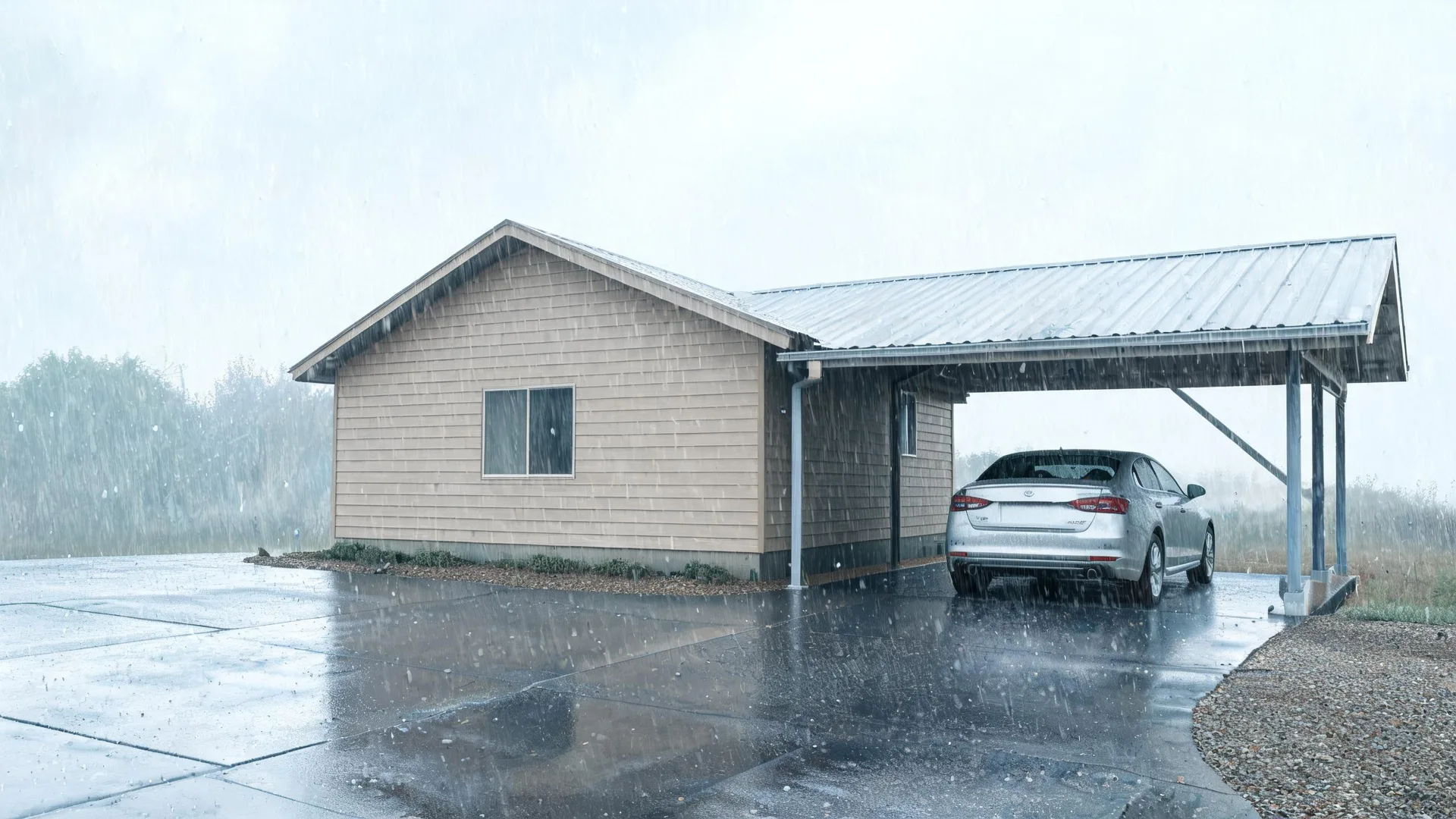
How the car is used affects what coverage you can even get
Most classic car policies that offer agreed value also come with conditions on how the car is driven and stored. There's often a limit on annual mileage, a requirement that the car be kept in a garage, and a requirement that it not be your primary vehicle. If your classic car is also your everyday car, you may not qualify for the specialty coverage at all.
This is worth checking before you assume agreed value is available to you. If the car doesn't meet the insurer's conditions for a classic or collector policy, you may be stuck with a standard policy and its usual depreciation-based valuation, regardless of how collectible the car actually is.
If that's your situation, ask your insurer what it would take to qualify for agreed value coverage, whether that's driving the car less, storing it differently, or insuring another vehicle as your primary one.
Questions people ask about this
What is agreed value car insurance?
It's coverage where you and the insurer settle on the car's value when you buy the policy, not after a loss. If the car is totaled or stolen, that's the amount you're paid. It's the standard way classic car insurers protect a car's value, since market value alone doesn't work well for cars that don't depreciate normally.
How do I find an appraiser for a classic car?
Classic car insurers that offer agreed value coverage usually require or recommend an appraisal before they'll set that value, and some will tell you which appraisers they accept. Ask your insurer directly whether they require a professional appraisal or whether documentation like purchase price and condition photos is enough.
Can I insure a classic car on a regular auto policy?
You can, but it usually means the car is valued the same way any other car on that policy would be, based on market value at the time of a claim. If the car has appreciated or has collector value, that valuation method may not reflect what the car is actually worth.
Does classic car insurance cost more or less than regular insurance?
It depends on the car, how it's driven, and how it's insured, so there's no general answer. What's worth comparing is not just the premium but what each policy actually pays out if the car is a total loss.
What happens if my classic car's value changes after I insure it?
Under an agreed value policy, the amount stays fixed until you and the insurer agree to change it, so if the car's value rises, you may need to request a new appraisal and update the policy. Ask your insurer how often they allow the agreed value to be revisited.
See how classic car policies in your area handle valuation before you decide what coverage to keep.
Pull out your current policy's declarations page and look for the words agreed value, stated value, or actual cash value. If none of those appear, call your insurer and ask which one applies to your classic car. If you're shopping for a new policy, ask each insurer directly whether they offer agreed value coverage and what they require to set that value, such as an appraisal, photos, or proof of purchase price. Also ask about any mileage or storage conditions tied to that coverage, since those can determine whether you qualify at all. Have your car's documentation, including any past appraisals or purchase records, ready before you call.