Classic Car Insurance for Seniors in South Dakota
South Dakota seniors can usually insure a classic car for less than a standard policy, as long as the car is driven and stored the way classic policies expect.
Yes, and age usually works in your favor here
Classic car insurers aren't worried about new drivers or long commutes. They're worried about how the car is stored, how far it travels, and who's behind the wheel. A senior driver with a clean record and a car kept in a garage is close to the ideal customer for this kind of policy.
What it depends on is the car's use. Classic policies assume limited mileage and no daily driving. If the car in question is still your everyday vehicle, some insurers won't write it as a classic at all, and you'd want to ask about that before assuming the lower rate applies.

How the car is used matters more than your age
Classic car insurers set their terms around mileage and storage, not around the driver's birthday. Most policies expect the car to be garaged, driven occasionally, and kept away from daily errands and commuting.
If you still use the car for regular trips to the store or to appointments, tell the insurer that upfront. Some will write a policy with higher mileage allowances, but the premium reflects that, and a policy sold as limited-use coverage could be voided if a claim shows the car was driven like a daily vehicle.
Ask what mileage cap applies and what happens if you go over it in a given year. Insurers handle this differently, and it's worth knowing before you're relying on the coverage.
If you're retired and drive less than you used to, that works in your favor. Lower annual mileage is one of the things classic car insurers look for, regardless of the driver's age.

Your driving record and your regular policy both come into play
Most insurers want to see a clean driving record, and some require you to also carry a standard auto policy on another vehicle. If the classic car is your only vehicle, ask whether that affects eligibility.
South Dakota doesn't set special rules for classic car insurance itself. That's up to each insurer, so the mileage limits, storage requirements, and any age-related terms will vary by company. Ask directly what their underwriting guidelines are for a driver your age.
If you've had a license renewal that involved a vision test or any new restriction, mention it when you apply. Insurers ask about the status of your license, and an unreported restriction can cause problems with a claim later.
If your regular auto policy has had any recent changes, such as a price increase or a non-renewal, that history can also come up when a classic car insurer reviews your application.
Questions people ask about this
Do I need an agreed value policy for a classic car in South Dakota?
Most classic car policies use agreed value rather than actual cash value, which means you and the insurer settle on the car's worth upfront. This matters because it avoids a dispute over value after a loss. Ask whether the insurer requires an appraisal to set that figure.
Can I still drive my classic car daily and keep senior discounts?
That depends on the insurer. Daily use usually moves a car out of classic car coverage and into a standard policy, where senior discounts may apply differently. Ask your insurer how they classify the car based on how often you drive it.
Will a defensive driving course lower my classic car insurance rate?
Some insurers apply a discount for a completed defensive driving course, but you typically have to send them the certificate yourself. Ask your insurer whether they offer this for classic car policies specifically, since it isn't universal.
What happens to my classic car policy if I stop driving?
If you plan to stop driving altogether, ask your insurer about switching to a stored-car or non-operational policy, which usually costs less since it only covers the car while parked. This is different from canceling coverage entirely, which leaves the car uninsured against theft or damage.
Does South Dakota require a separate title or registration for classic cars?
South Dakota has its own rules for titling and registering older vehicles, separate from insurance requirements. Check with the South Dakota Department of Revenue for the current classification and registration rules for your car's age and use.
See how classic car coverage compares against a standard policy for your car and your driving.
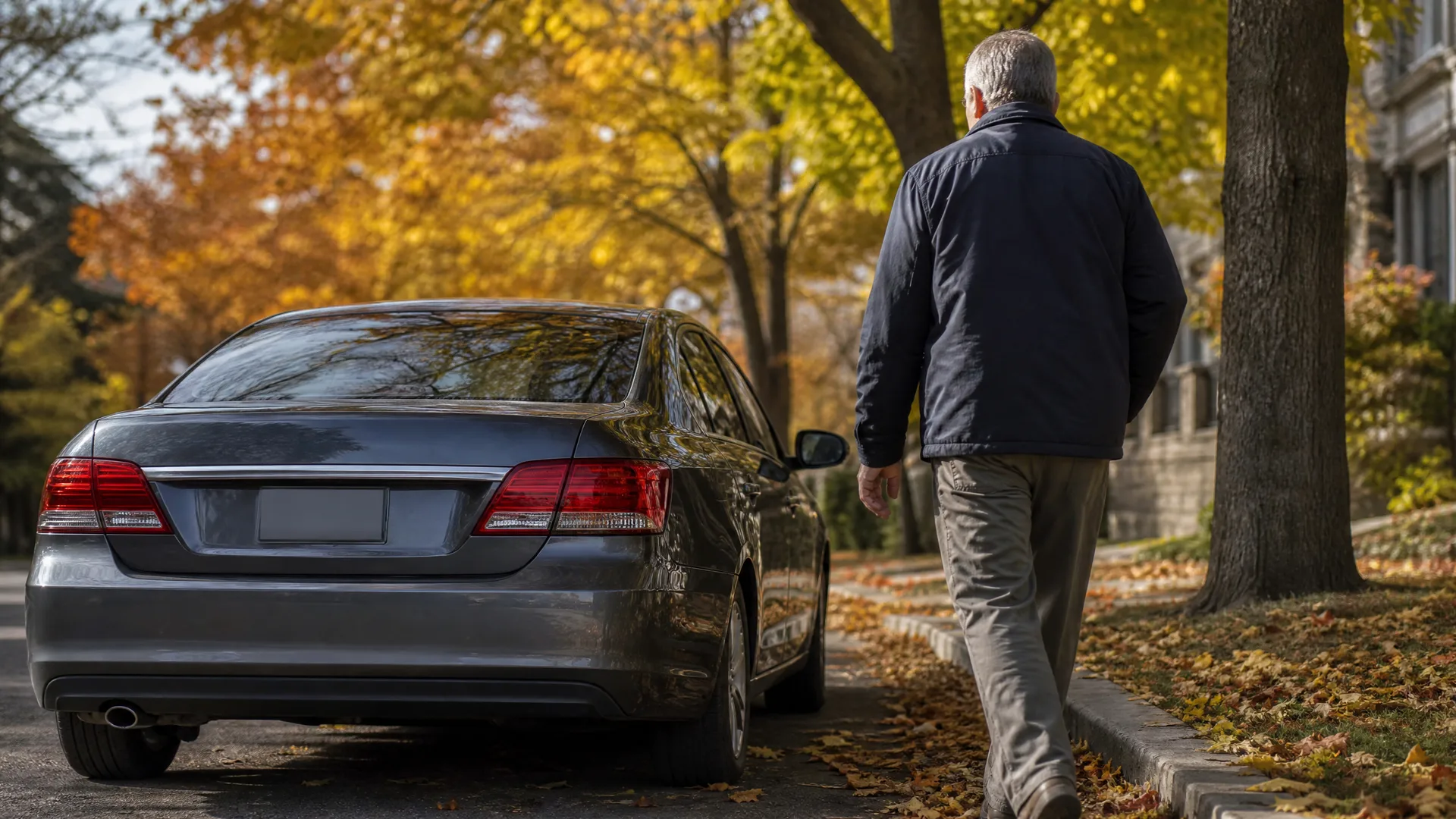
Pull together your car's details this week: its year, current mileage, where it's stored, and roughly how many miles you drive it annually. Have your current driving record and any license renewal paperwork on hand too. When you request quotes, ask each insurer directly about their mileage limits, storage requirements, and whether they require a separate standard auto policy. If you're unsure whether your car qualifies as a classic under a given insurer's rules, ask that before comparing prices, since the answer changes what you're actually comparing.