Classic Car Insurance for Seniors in New York
Classic car insurance is often easier to get as a senior in New York, because insurers care more about how the car is used than how old you are.
Yes, and age usually works in your favor here
Classic car insurers aren't looking for young, high-mileage drivers. They want someone with a long driving record and a car that sits in a garage most of the year. A senior with decades of clean driving history fits that profile well.
What it depends on is the car and how you use it, not your age. The insurer will ask how many miles you drive it a year, where it's stored, and whether you have another car for everyday driving. Answer those well and age rarely counts against you.
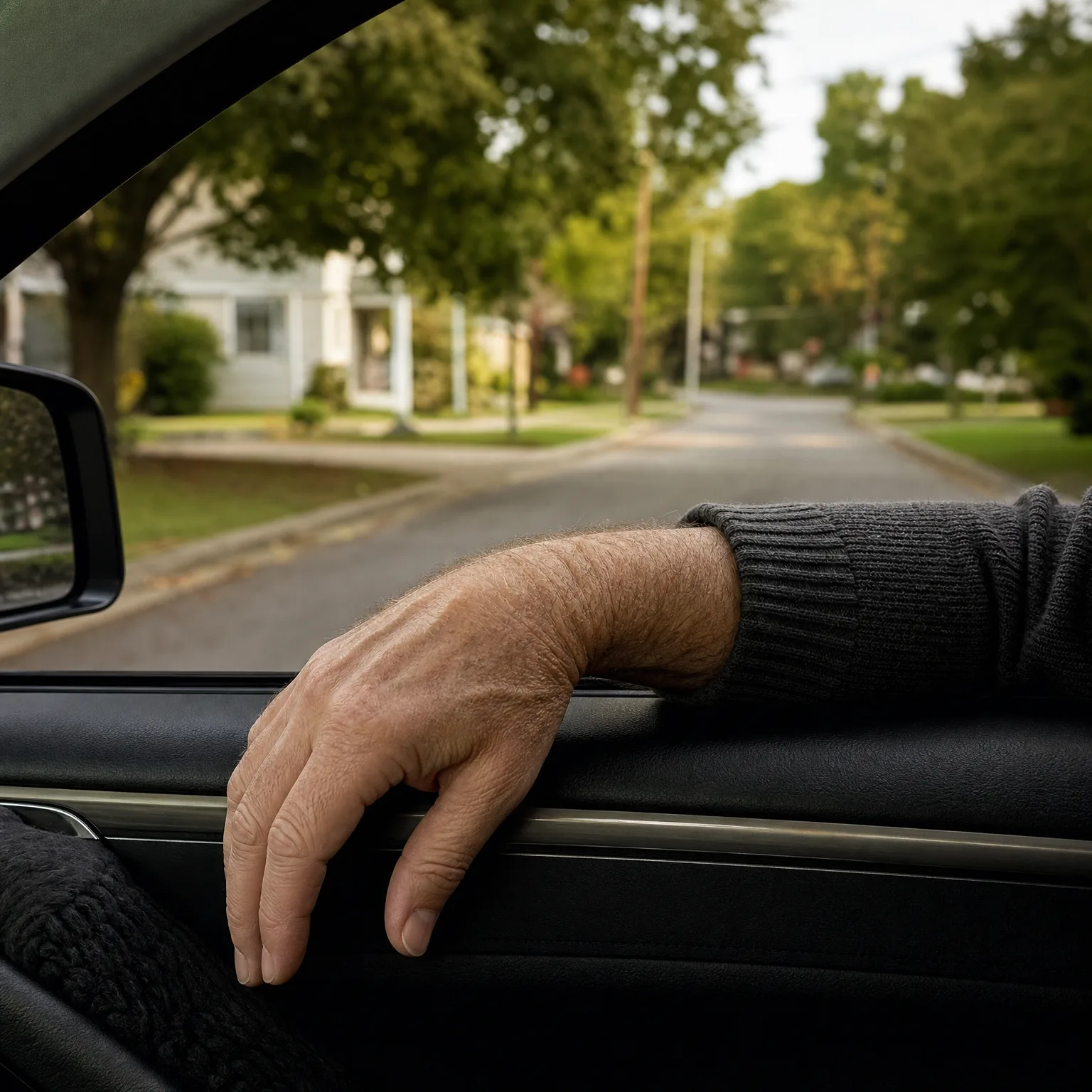
How you use the car matters more than how old you are
Classic car policies are built around limited use. The insurer expects the car to come out for shows, club drives, and nice weather, not for grocery runs or commuting. If you still plan to drive it often, say so up front, because it changes what kind of policy fits.
You'll likely need another vehicle registered and insured for daily driving. Most classic car insurers require this. If the classic is your only car, ask directly whether that insurer will still cover it, since some won't.
Storage matters too. A garaged car costs less to insure than one parked on the street, and some insurers ask for proof, like a photo or an address where it's kept.
If you're easing into fewer miles overall now that you're retired, mention that. A lower annual mileage estimate can work in your favor, but only if the insurer agrees it's realistic for how you'll actually use the car.

How the car is valued changes your coverage, not just your premium
Classic car policies usually use an agreed value, meaning you and the insurer settle on what the car is worth before anything happens to it. This is different from a standard auto policy, where the insurer decides the payout after a loss based on current market value.
Getting the agreed value right matters. If you lowball it to save on premium, you'll be underpaid if the car is totaled. If you guess high without paperwork to back it up, the insurer may ask for an appraisal before they'll agree to that number.
Keep records: purchase price, restoration receipts, recent appraisals if you have them. These support the value you're asking the insurer to agree to.
Some insurers also want proof the car is kept in good condition over time, not just at the start of the policy. Ask what, if anything, they require to maintain the agreed value as years pass.
Questions people ask about this
Can I still get classic car insurance if I drive it almost every day?
Possibly, but many classic car insurers won't offer their best terms for a car used as daily transportation. They're built around limited, seasonal use. If daily driving is the plan, ask the insurer directly whether they have a policy for that or whether a standard auto policy fits better.
Does New York require special registration for a classic or antique car?
New York has its own rules for classic, antique, and historical vehicle registration, and they affect what insurance you need. Check with the New York DMV for the current registration categories and requirements before you shop for a policy, since the registration type can affect what coverage is required.
Will my regular auto insurer also write a classic car policy?
Some will, some won't. Insurers vary in whether they offer classic car coverage directly or only through a specialty division or partner. Ask your current insurer what they offer for classic or collector cars, and compare that against a company that specializes in it.
What happens to classic car coverage if I stop driving altogether?
This depends on the insurer and the policy terms, so ask directly. Some allow you to keep the car insured in storage with reduced coverage if you're not driving it, which can be cheaper than canceling and reinstating later.
Do I need a separate appraisal every year for an agreed value policy?
It depends on the insurer. Some ask for an appraisal only when the policy starts, others want updates periodically. Ask your insurer how often they require a new appraisal and what documentation they'll accept.
See how classic car coverage compares across insurers before you commit to one.
Pull together what you have on the car this week: the purchase price, any restoration or repair receipts, and a recent photo showing its condition. Check with the New York DMV on how the car is currently registered, since that can affect what insurance is required. Call your current auto insurer and ask whether they offer classic car coverage or only standard policies. If you plan to keep driving another car daily, have that policy information ready too, since most classic car insurers will ask about it. Then compare a couple of quotes side by side, paying attention to the agreed value and the annual mileage limit each one assumes.