Classic Car Insurance for Seniors in Massachusetts
Senior drivers often qualify for lower classic car rates, but the car's use and storage matter as much as the driver's age.
Yes, and seniors often get better rates on classic car policies
A classic car policy is usually cheaper than a standard policy on the same vehicle, and senior drivers tend to qualify easily because insurers writing these policies care most about how the car is used and stored, not the driver's age bracket. Many classic car insurers actually favor older drivers, since the data shows they drive these cars less and more carefully.
What it depends on is whether your car and your habits fit what the insurer defines as a classic. That usually means the car isn't your daily driver, it's kept in a garage, and you drive it a limited amount each year. If your situation fits that pattern, age works in your favor rather than against you.
How you use the car matters more than how old you are
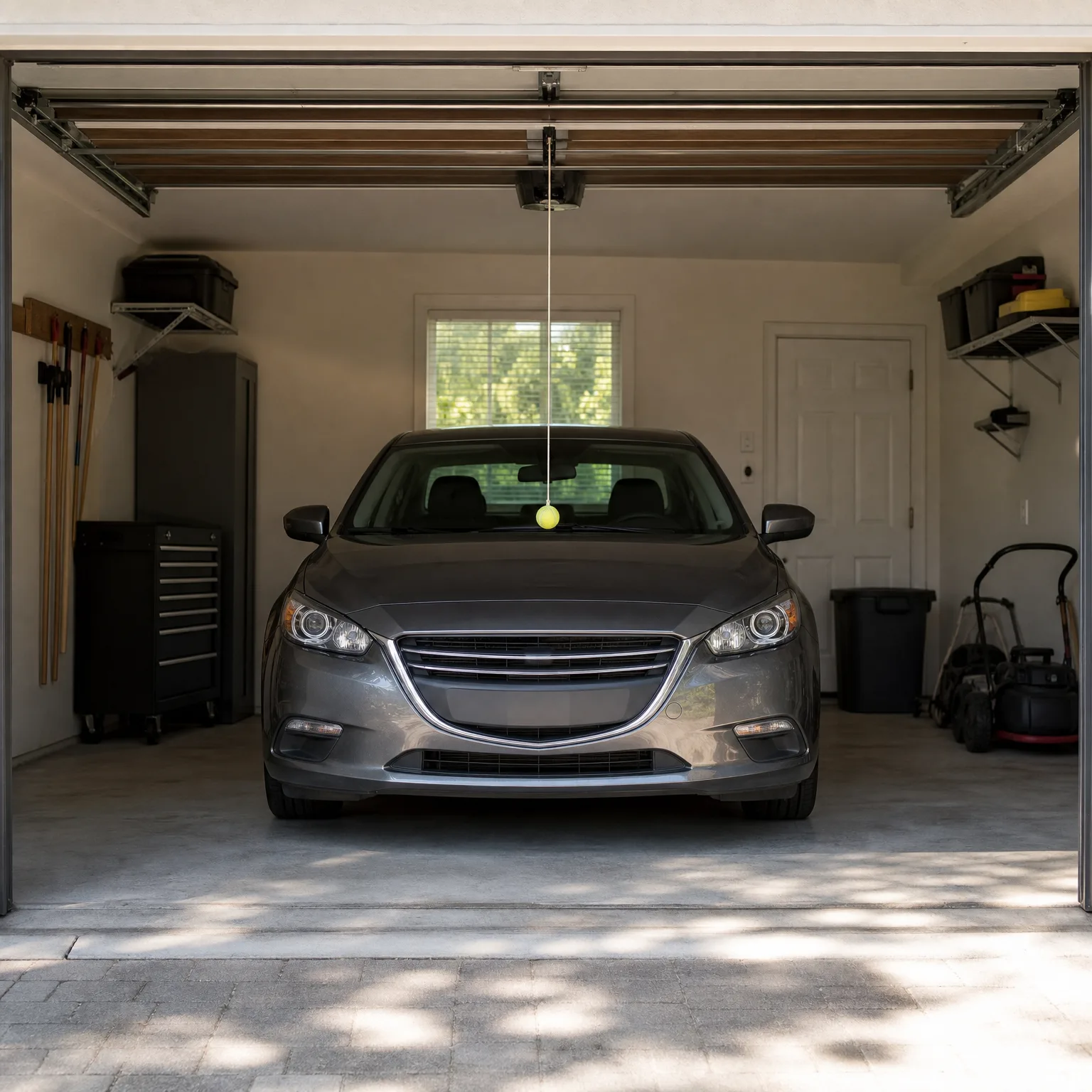
Classic car insurers build their policies around limited use. They want to know the car isn't driven to work, isn't used for errands, and sits in a garage or covered space when it's not being driven. If you still use the car regularly, some insurers won't offer a classic policy at all, no matter how old the car or the driver is.
Massachusetts insurers who write classic car policies will typically ask for an estimated annual mileage and may ask where the car is stored overnight. Have that information ready before you call, since it's usually the first thing they ask.
If you're retired and drive less than you used to, that often works in your favor here. A car that spent the year in the garage and came out for weekend drives and car shows is exactly what these policies are built for.
If you're not sure your car qualifies as a classic, ask your insurer directly what their age and condition requirements are. Some set a minimum age for the vehicle itself, and that's set by each insurer rather than being the same everywhere.
Your regular driving record still gets checked
Classic car insurance doesn't ignore your driving history. Insurers writing these policies still pull your record, and a recent accident or violation can affect your rate or your eligibility just as it would on a standard policy.
Some seniors assume a classic car policy is separate from their regular driving record in a way that protects them if their everyday driving has gotten shakier. That's not how it works. The policy covers a specific car under specific conditions, but the person behind the wheel still has to be insurable.
If you've taken a defensive driving or mature driver course, ask your insurer whether it applies to a classic car policy the same way it would to a standard one. Some insurers extend that discount across all policies you hold with them, others don't, and you won't know until you ask.
Questions people ask about this
Do I need a separate license endorsement to drive a classic car in Massachusetts?
No, a classic car is driven on your regular license. There's no separate endorsement for the vehicle type. What matters for insurance purposes is how the car is classified and insured, not how you're licensed to drive it.
Can I drive my classic car every day if I have a classic car policy?
Usually not, and doing so can affect your coverage if you ever file a claim. Most classic car policies set mileage limits and expect the car to be a secondary vehicle. Ask your insurer what their specific mileage and use limits are before you rely on the policy for daily driving.
Will my classic car policy go up when I renew it as I get older?
It depends on the insurer and on whether anything about your driving record or the car's use has changed. Classic car rates are generally more stable than standard auto rates because they're based on agreed value and limited use rather than daily risk. Ask your insurer what triggers a rate change at renewal.
What happens to my classic car insurance if I can no longer drive it myself?
This depends on the policy and the insurer. Some classic car policies allow other listed drivers, often family members, to drive the car under certain conditions. Check your policy or ask your agent what it says about drivers other than you.
Does Massachusetts require classic cars to pass the same inspection as regular cars?
Vehicle inspection requirements are set by the state, and classic or antique vehicles sometimes have different rules depending on their age and registration type. Confirm the current requirement with the Massachusetts RMV rather than assuming your car is exempt.
See what classic car coverage would look like for your car before your current policy renews.

Pull your current policy and your car's registration together before you call anyone. Write down how many miles you actually drove the car last year and where it's stored, since that's what classic car insurers ask about first. Call your current insurer and ask whether they write classic car policies and what they require for a car like yours to qualify. If they don't offer one, ask them to recommend who does, or look for an insurer that specializes in collector vehicles. Ask directly whether any driving courses or discounts you already qualify for carry over to a classic car policy, since that's not automatic.