Classic Car Insurance for Seniors in Louisiana
A senior with a clean record and a car kept mostly in the garage usually pays less for classic coverage, not more.
Yes, and age usually works in your favor here
Classic car insurers care most about how the car is driven and stored, not how old the driver is. A retired driver who keeps the car in a garage, puts few miles on it, and drives it mainly to shows or on weekends fits the profile these insurers want.
The policy itself works differently from a regular auto policy. You agree on the car's value up front, you agree to mileage limits, and you usually need another vehicle for everyday driving. Louisiana doesn't set special rules for classic car coverage, so the requirements come from the insurer, and they vary.

How you store and drive the car
Most classic car insurers ask where the car sleeps at night. A locked garage counts for more than a carport, and a carport counts for more than street parking. If you can't offer secure, covered storage, some insurers won't write the policy at all, regardless of your driving record.
Mileage limits matter just as much. These policies assume the car is driven occasionally, not daily. If you still use the classic car as regular transportation, you may not qualify for classic coverage and would need a standard policy instead.
You'll also need to say how the car is used. Shows, club events, and occasional pleasure drives fit the classic car model. Commuting or errands don't. Be honest about this when you apply, since it affects whether a claim gets paid.
If you're not sure your usage fits, ask the insurer directly before you buy. It's easier to find out now than after a claim.
Your driving record and your other vehicle
A clean record over recent years carries real weight with classic car insurers. Age by itself isn't a factor they weigh the way a standard auto insurer might, but a history of accidents or violations will still raise the cost or limit your options.
Most classic car policies require you to also insure at least one other vehicle for daily use. If you've given up driving a second car or you're down to just the classic, ask the insurer whether that disqualifies you before you assume it's covered.
You'll also need an agreed value for the car, usually set by an appraisal or a accepted valuation guide. Keep that documentation, along with any records of storage and low mileage. If you ever file a claim, this is what the insurer will ask for first.
Questions people ask about this
Does Louisiana require a separate license for classic or antique cars?
No, Louisiana doesn't issue a separate driver's license for classic cars. What differs is vehicle registration, where some classic or antique cars qualify for a specific plate. Check with the Louisiana Office of Motor Vehicles for what counts as a qualifying vehicle and what the registration requires.
Can I insure a classic car if it's my only vehicle?
Many classic car insurers won't allow this, since the policy assumes you have another vehicle for daily use. If the classic is your only car, ask the insurer directly whether they'll still write the policy, since some do make exceptions depending on how the car is actually driven.
Will my classic car insurance go up if I'm in an accident?
It depends on the insurer and the circumstances of the accident. Classic car insurers generally weigh records differently than standard auto insurers, but a serious or at-fault accident can still affect your premium or your ability to renew. Ask your insurer how they handle claims before you need one.
Do I need an appraisal to get an agreed value policy?
Most classic car insurers require some form of documented value, which can be a professional appraisal or an accepted valuation guide depending on the car and the insurer. Ask what they'll accept before you apply, since requirements differ by company.
What happens to my classic car policy if I stop driving?
This depends on the insurer and the type of policy. Some offer storage-only coverage for cars that aren't being driven at all, which usually costs less than a full policy. Ask your insurer whether this option exists before you cancel coverage entirely.
See what classic car insurers in Louisiana offer someone with your driving history and storage setup.
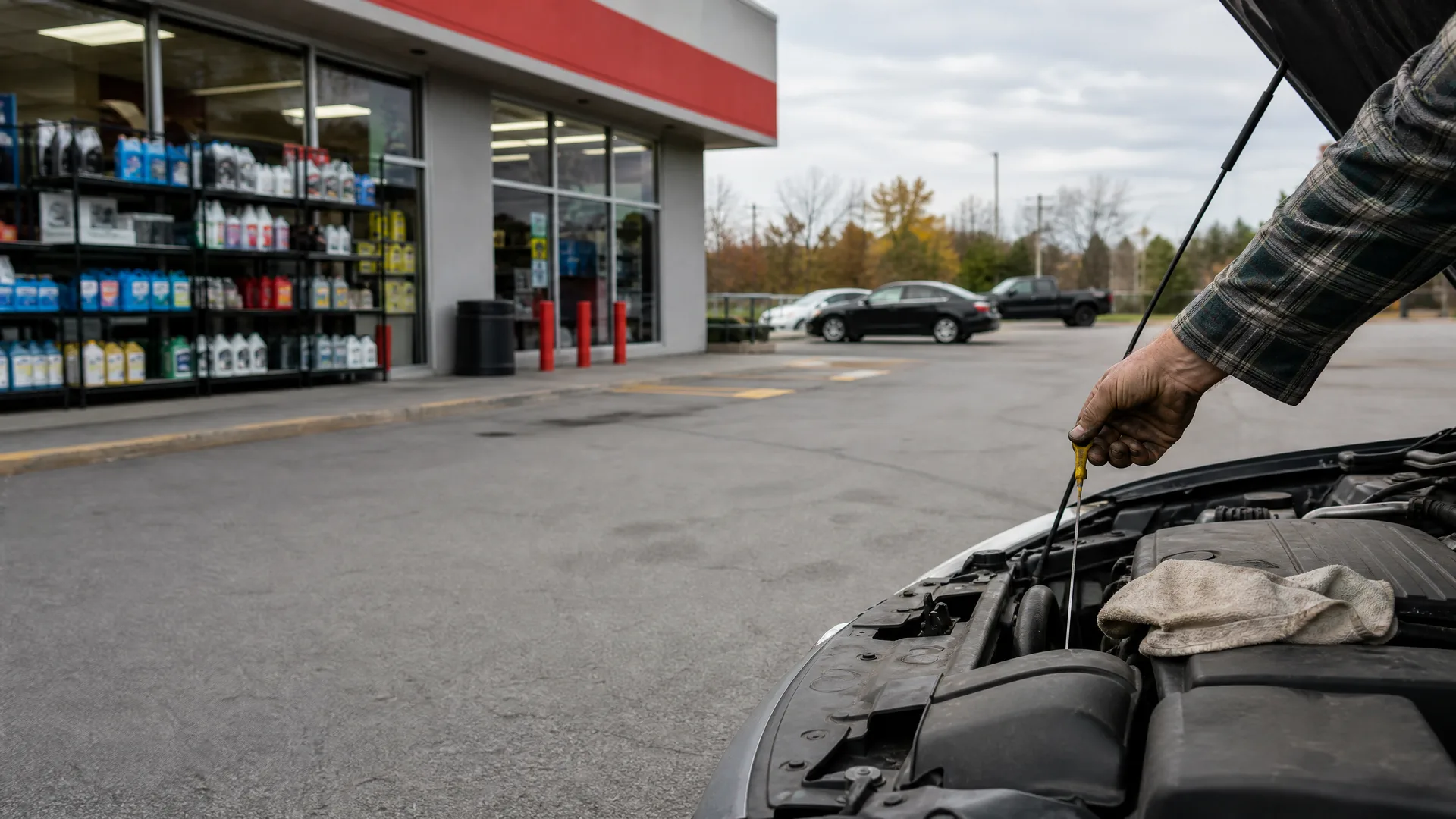
Start by gathering what a classic car insurer will ask for: where the car is stored, roughly how many miles you drive it a year, and some record of its value, whether that's a past appraisal or a recent valuation guide entry. Call your current auto insurer first and ask whether they write classic car policies, since bundling can simplify things. If they don't, ask them to recommend who does. When you compare quotes, ask each insurer directly whether you need a second vehicle insured and what storage they require, since a policy that looks cheaper might not fit how you actually keep the car.