Classic Car Insurance for Seniors in Kansas
Classic car insurance is generally easier to qualify for as a senior, since insurers value the driving experience that comes with age.
Yes, and age usually works in your favor here
Classic car insurers tend to see an older, experienced driver as a good risk, not a bad one. The caution that sometimes raises standard premiums for senior drivers doesn't carry over the same way to classic policies, because these policies are underwritten around the car and how it's used, not around the driver's age the way a daily driver policy is.
What it depends on is the car qualifying as a classic under that insurer's definition, and you agreeing to the usage limits that come with the policy. Those limits usually include low annual mileage, secure storage, and no use as a daily vehicle. If your car fits and your driving matches that pattern, your age is rarely the obstacle.
How you use the car matters more than how old you are
Classic car policies are built around limited, occasional use. The insurer wants to know the car isn't your primary transportation and isn't sitting in traffic every morning. If you're retired and the classic car is a weekend or show car rather than your regular ride, you're already a good fit for this kind of policy.
If you still drive it somewhat regularly, ask the insurer directly how they define occasional use and what mileage range they expect. Some insurers set a firm mileage limit on the policy. Others ask you to estimate and adjust later. Either way, it's worth knowing before you sign up rather than finding out at claim time.
You'll likely also need to show you have another vehicle for everyday driving. If the classic car is your only car, some insurers won't offer a classic policy at all, regardless of age.
Your regular driving record still gets checked
Even though the classic policy is built around the car, the insurer still looks at your driving record as the person who'll be behind the wheel. A clean record helps here just as it would with any policy. If you've had a recent violation or claim on your regular car insurance, mention it when you ask about a classic policy, since the insurer will likely find it anyway.
If your state requires periodic vision or medical screening to renew your driver's license, keep that current. A lapsed or restricted license can affect any policy tied to you, classic or not.
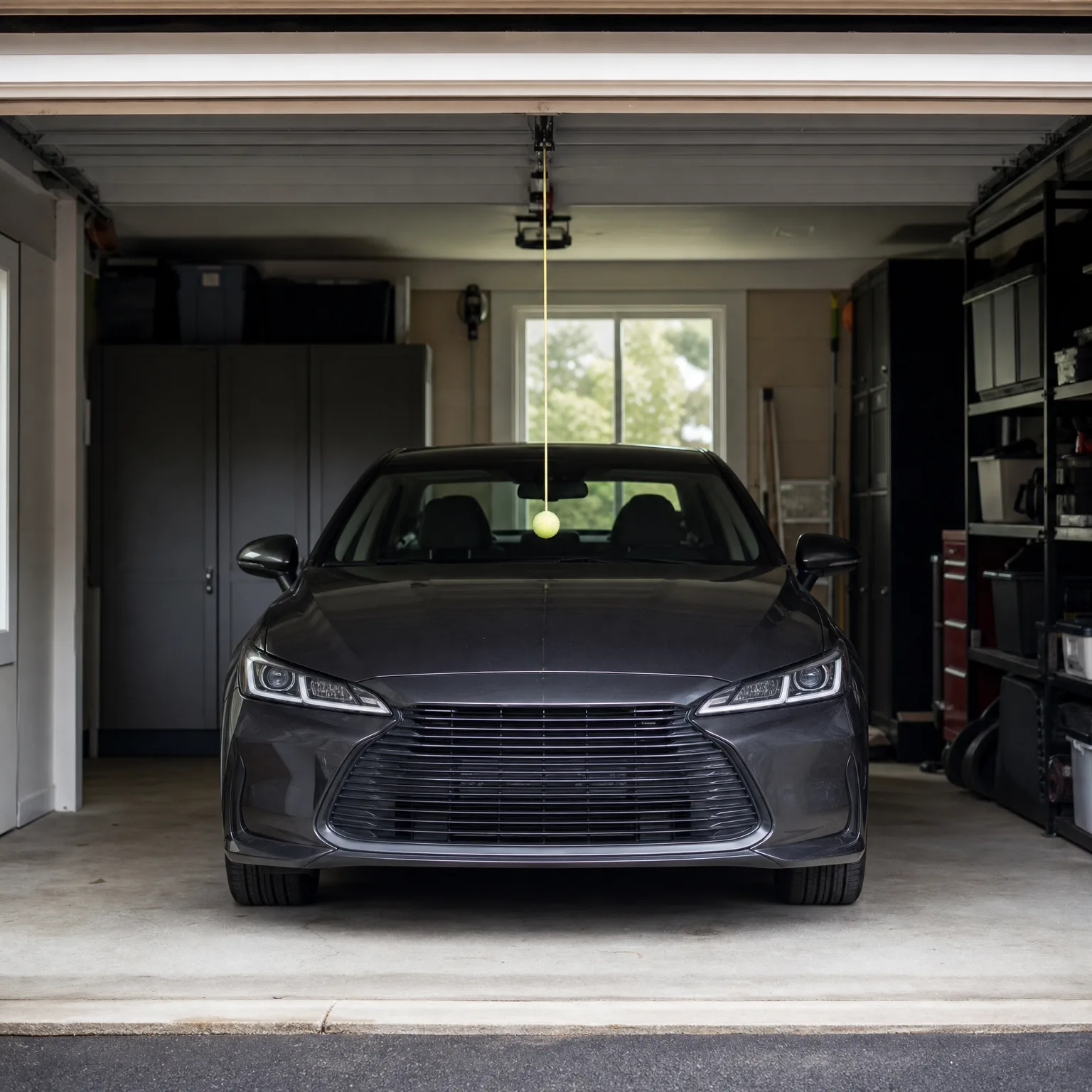
Storage matters too. Insurers often ask where the car is kept when it's not being driven, and a secured garage can make a real difference in whether you qualify and on what terms. If you store the car somewhere other than your home, have that address and arrangement ready to explain.
Questions people ask about this
what counts as a classic car for insurance purposes?
It depends on the insurer, and definitions vary. Some set a minimum age for the vehicle, others focus more on the make and model being considered collectible. Ask the insurer directly what their classic car program covers before assuming your vehicle qualifies.
can I still drive my classic car to the grocery store?
Most classic car policies allow some limited everyday use, but the exact rules come from the insurer. Ask specifically what kinds of trips are allowed under your policy, since using the car outside those terms could affect a claim.
do I need a separate car for daily driving to get classic coverage?
Many insurers require you to have another vehicle insured for regular use before they'll write a classic policy on your collector car. Check this requirement with the insurer before applying, since it can be a condition of the policy rather than just a suggestion.
will my classic car insurance go up as I get older?
Classic car premiums are usually driven more by the car's value and how it's used than by the driver's age. That said, insurers do still factor in your driving record and license status, so ask your insurer how they handle renewals as circumstances change.
what happens to my classic car policy if I stop driving altogether?
This depends on the insurer and the type of policy you hold. Some offer storage-only coverage for a car that isn't being driven at all. Ask your insurer what options exist if you decide to stop driving but want to keep the car insured while parked.
See what classic car coverage looks like from insurers who work with senior drivers in Kansas.
Start by writing down how the car is actually used now, including rough annual mileage and where it's stored, since insurers will ask. Have your current driver's license and any recent driving record handy, along with proof you have another vehicle for daily use if that applies. Call a couple of insurers that offer classic car programs and ask directly how they define a qualifying classic, what usage limits apply, and how your age and record factor into their decision. Compare what each insurer requires before choosing, since classic car programs vary more than standard auto policies do. If your license is up for renewal soon, take care of that first, since a lapsed license can complicate any policy you're trying to set up.