Can You Negotiate ACV with Insurance
You can challenge an insurer's ACV offer, and the documentation you bring is what decides whether it works.
Yes, you can negotiate it
An insurer's first ACV offer is a starting point, not a final number. It comes from a valuation report built off comparable vehicles in your area, and those reports often miss things about your specific car. You can push back on it.
What makes the difference is evidence. If you bring your own comparable listings, records of recent upgrades, or proof the mileage or condition was entered wrong, the adjuster has something to work with. Without that, there's nothing to negotiate against, and the first number tends to stand.
The comparables the insurer used
Every ACV offer is built on a set of comparable vehicles the insurer or its vendor pulled, usually from listings within a certain radius of your home. Ask for that list. You're entitled to see it.
Sometimes the comparables are the wrong trim level, have higher mileage than your car did, or come from a market where prices run lower than where you actually live. Any of those is grounds to ask for a revised number.
If you can find three or four listings for the same year, make, model, and trim in better condition or closer to your area, bring those. Screenshots with dates and mileage are more useful than a general claim that the offer feels low.
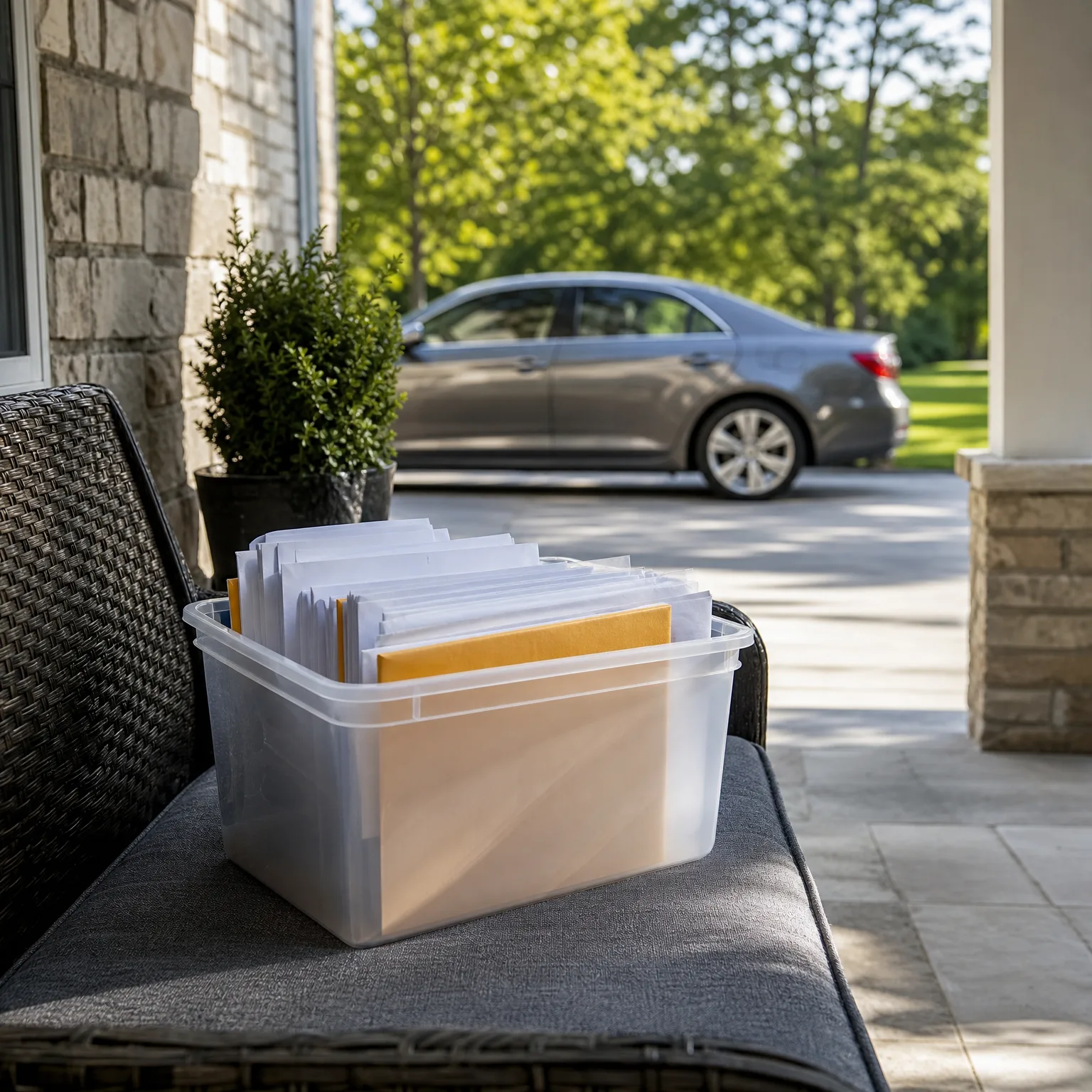
This is also where a pre-accident inspection report, a recent appraisal, or maintenance records help. They establish that your car was in better shape than an average vehicle of its age, which the comparables can't show on their own.
What most people get wrong about the process
Many drivers accept the first offer because they assume ACV is a fixed calculation, not an opinion. It isn't. It's an estimate, and estimates can be wrong or incomplete.
Others negotiate the right way but skip the step of putting it in writing. A phone call asking for more rarely changes anything. A written request, with your comparables attached, becomes part of the claim file and gives the adjuster something to act on.
A common mistake is waiting too long. Most states set a window for disputing a total loss valuation, and once it closes, your leverage closes with it. Check your policy or ask your adjuster directly how long you have.
If the insurer won't budge and you believe the number is wrong, your policy may describe an appraisal process for resolving valuation disputes. Ask your agent or the insurer whether that applies to your claim and what it involves.
Questions people ask about this
How do I find comparable vehicles for an ACV dispute?
Look at listings for the same year, make, model, and trim within your region, ideally with similar mileage and condition. Dealer listings and classified sites both work, as long as you save the listing with its price, mileage, and date. The closer the match to your actual car, the more weight it carries with an adjuster.
Can I get my own independent appraisal for a total loss?
In many cases, yes, and some policies include an appraisal clause specifically for this kind of disagreement. Ask your insurer whether your policy has one and how it works. An independent appraiser's report can carry real weight if the insurer's comparables are weak.
Does my insurer have to tell me how they calculated ACV?
Insurers generally have to provide some explanation of how they reached the valuation, including the comparables used, though the exact requirement depends on your state. Ask for the full valuation report in writing if you haven't received one.
What if I disagree with the mileage or condition listed on my car?
Point it out directly and provide proof, such as service records, photos, or a prior inspection report. Valuation reports are sometimes built from estimated or default figures rather than your car's actual history, and correcting them can change the offer.
Will negotiating ACV delay my claim payment?
It can take longer than simply accepting the first offer, since the insurer has to review what you submit. Ask your adjuster for a rough timeline once you've submitted your comparables or appraisal so you know what to expect while the loan or lease payoff is still pending.
If a claim or renewal has you rethinking your coverage, it's worth seeing what else is out there.
Ask your adjuster for the full valuation report and the list of comparable vehicles used before you respond to the offer. Spend an evening finding three or four listings for your exact year, make, model, and trim, and save them with dates and mileage. Gather anything that shows your car's actual condition, like service records or a recent inspection. Put your request for a revised offer in writing and attach what you found. Ask directly whether your policy includes an appraisal process and how long you have to invoke it, since that window is often shorter than people expect.