Can I Insure a Project Car Under Restoration
Most insurers won't put a car that isn't running on a standard policy, but specialty classic car insurers write coverage for cars mid-restoration.
Yes, through a classic car or collector policy
A regular auto insurer wants to know the car is driveable and will be driven, so a car up on jack stands with the engine out usually won't qualify for a standard policy. What you're looking for instead is a collector or classic car insurer, and most of them have a specific option for cars in restoration.
That coverage usually protects the car and the parts against fire, theft, and damage while the work is being done, even though the car isn't on the road. Once the restoration is finished, you typically move the car onto that same insurer's regular classic car policy, or back to a standard policy if you plan to drive it daily.
What the insurer needs to know about the car
A classic car insurer is going to ask how far along the restoration is, what the car will look like when it's done, and what it's worth once finished. Keep receipts for parts and labor, and photos of the work as you go. That record is what supports the value you're claiming and what you'd need if you ever filed a claim on stolen parts or fire damage.
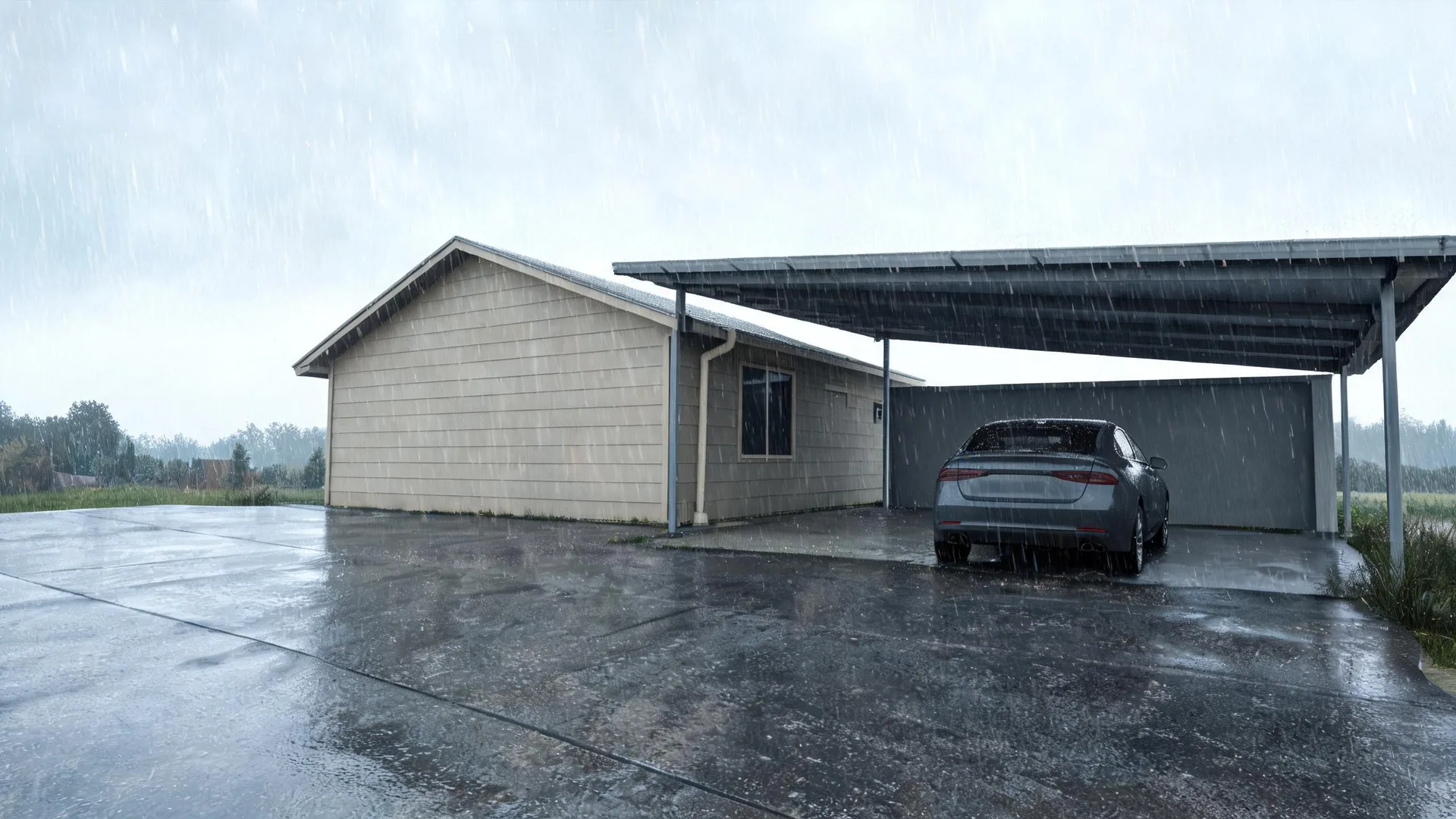
Many of these insurers also want to know where the car is stored while it's being worked on, since a garage or covered storage is safer than sitting outside or in an open carport. Some ask about the car's prior ownership and whether you're the one doing the restoration work or a shop is.
If the car is going to be substantially different once finished than it is now, such as a different engine or a full body change, say so upfront. Insurers price the policy around what the car becomes, not just what it is on the day you call.
Where people run into trouble
The most common mistake is assuming a car sitting in the garage doesn't need to be insured at all. If it's stolen, vandalized, or damaged by fire or flood while uninsured, there's nothing to claim against. A parts car or an unfinished project still has value sitting in it.
Another is not telling the insurer the truth about the car's condition. If you say it's drivable when it isn't, or leave out that the engine is out, a claim can be reduced or denied because the policy was written on incorrect information.
People also assume the restoration coverage automatically converts to road coverage once the work is done. It usually doesn't happen on its own. You need to contact the insurer, have the car inspected or appraised if required, and have the policy updated before you drive it on the road.
Questions people ask about this
Do I need a title to insure a project car under restoration?
Most insurers want to see some form of title or ownership proof, even for a car that isn't running. If the car came without a clear title, ask the insurer directly what they'll accept, since this varies by insurer and by state.
Can I drive a project car on the road before the restoration is finished?
Only if it's registered and insured for road use, which generally requires it to meet your state's safety and equipment standards. A restoration policy that covers the car in storage doesn't by itself give you the right to drive it on public roads.
How is a project car's value determined for insurance purposes?
Classic car insurers typically base it on an agreed value, set when the policy is written and often supported by receipts, photos, and sometimes a professional appraisal. This is different from how a standard policy values a daily driver, which depends on market value at the time of a claim.
What happens to the restoration policy once the car is finished and registered?
You'll generally need to contact the insurer to update the policy to reflect the car's finished condition and intended use. Some insurers require an inspection or updated appraisal before they'll issue the final coverage.
Will my homeowners or garage insurance cover a project car instead?
Usually not for the car itself, since most homeowners policies exclude vehicles regardless of whether they run. Check your policy's exclusions directly, or ask your agent, rather than assuming the car is covered where it's stored.
See what a classic car insurer would want to know about your project before you call one.
Pull together what you have on the car this week: the title or bill of sale, receipts for parts and labor so far, and photos of its current condition. Call a classic car or collector insurer and ask specifically about restoration coverage, not just a finished-classic policy. Ask what they need to see when the restoration is done and the car is ready for the road. If the car is stored somewhere other than your home, have that address ready too, since storage location often affects what they'll offer.